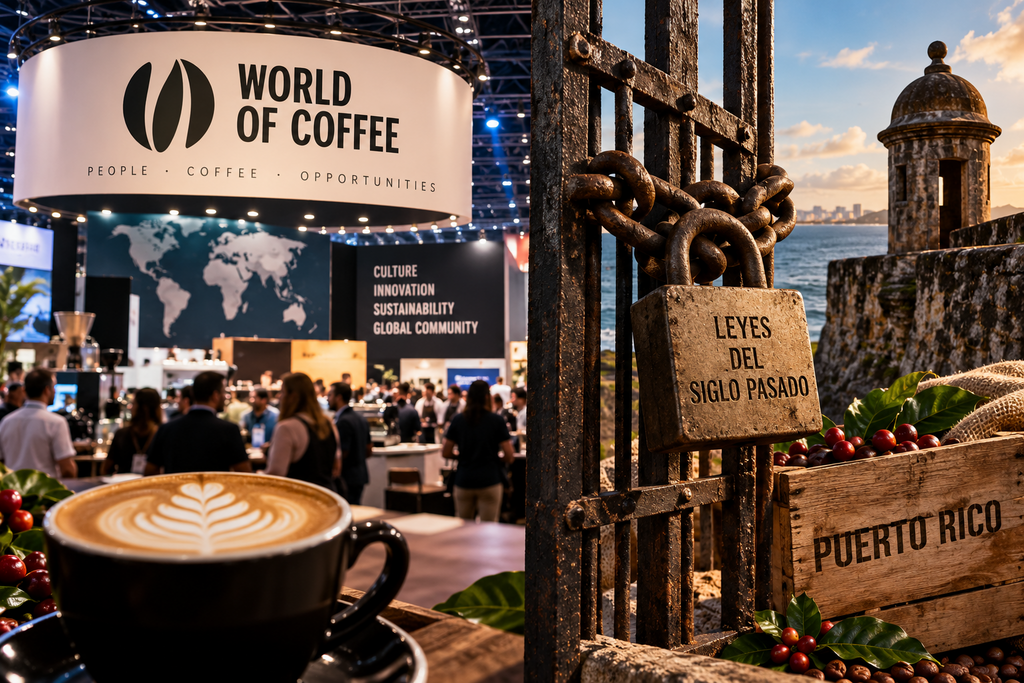
World of Coffee: The Global Event Puerto Rico Cannot Host While Trapped by Last-Century Laws
Panama has just shown the world what it means to invest in the coffee industry. World of Coffee 2026 drew more than 14,000 visitors, hundreds of exhibitors and producers from around the globe. While Panama welcomed international trade, Puerto Rico remains bound by last-century phytosanitary restrictions that prevent the free entry of green coffee, alongside tariffs that make coffee imports more expensive. How could we host a global event if producers from Colombia, Brazil, Ethiopia or Costa Rica cannot freely bring their coffees to exhibit, cup and compete? The answer is as obvious as it is regrettable: our own barriers keep us off the world stage.
The greatest contradiction is that the federal government tried to open a door, and sectors of our own industry opposed it. In August 2026, the USDA, through APHIS, proposed modernizing restrictions on green coffee imports, acknowledging that phytosanitary conditions have changed since the original bans were introduced. The proposal called for science-based risk assessments, not unrestricted entry. Yet voices within the coffee sector rejected the changes, citing the need to protect local production. At what point does protecting our agriculture become protecting our isolation?
Puerto Rico has the talent, coffee heritage and infrastructure to host an event of this scale, but lacks the regulatory conditions to compete for it. Thousands of visitors, potentially millions in economic activity, international exposure and opportunities for our own coffee farmers remain out of reach. Panama understood that coffee can become a platform for global development. Puerto Rico is still debating whether to allow the world's coffee through its borders. And that is our greatest contradiction: we want the world to discover our coffee, yet we keep closing our doors to the world's coffee.
Related post
27
Oct

09
Oct
RECENT POSTS
27.October.2026
World of Coffee: The Global Event Puerto Rico Cannot Host While Trapped by Last-Century Laws
0 Comments
09.October.2026
Who Should Import Coffee into Puerto Rico: The Government or the Private Sector?
0 Comments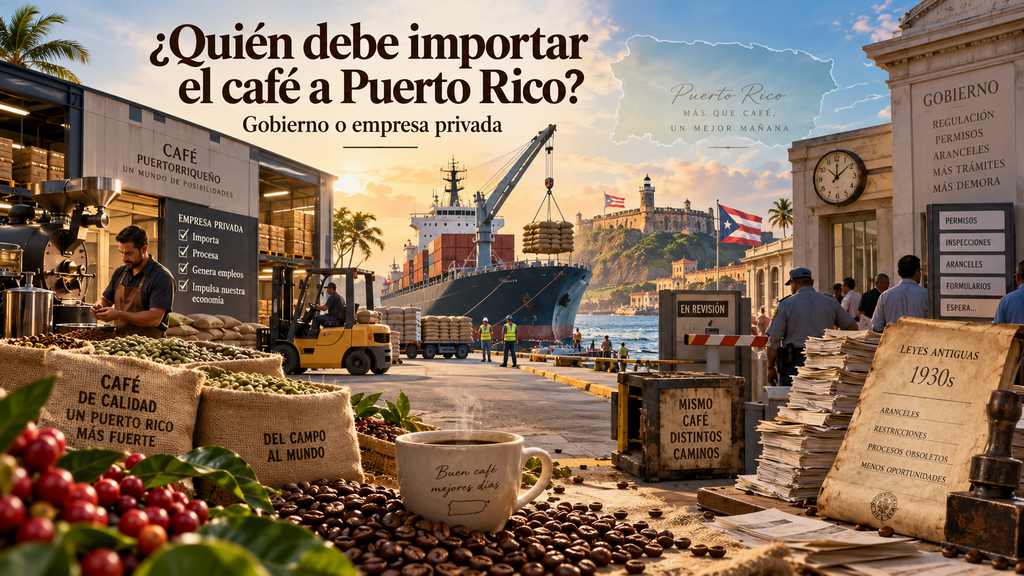
09.October.2026
¿Quién debe importar el café a Puerto Rico: el Gobierno o la empresa privada?
0 Comments